Your Job Search Strategy Framework: Simple Steps to Get Moving
Before moving into discussing your Strategy Framework, let’s take a look at job trends for late 2025-2026! This will ensure your strategy is current and effective.
Key Insights on Job Search in 2026
Research suggests that skills-based hiring will continue to dominate in 2026, with soft and technical skills often outweighing traditional experience or degrees, creating more inclusive opportunities for career changers and new entrants.
Trends indicate a stabilizing but slow-growing job market, with nearly 4 in 10 professionals planning to job search, emphasizing the need for adaptability in areas like AI integration, flexible work models, and purpose-driven roles.
Effective strategies focus on personalized networking, AI-optimized resumes, and avoiding common pitfalls like generic applications, as the average search may extend due to market fatigue and competition.
Evidence leans toward proactive approaches yielding better results, with studies highlighting that clear goals and human-AI balanced tools lead to faster placements and higher satisfaction, though worker fatigue remains a challenge.
While AI aids in recruitment, human elements like soft skills and strategic outreach are crucial; debates on hybrid work persist, but models evolving for talent attraction suggest flexibility as key.
Alright, trends are great, but you're busy (aren't we all?). Let's make this actionable with a four-step framework designed to fit your unique style—tweak it to match your stripes. Aim to spend a weekend on this; it'll save you months of flailing.
Overview of the Framework
I've guided many job seekers through the evolving job market. With 2026 on the horizon, trends like skills-first hiring (where 85% of employers prioritize skills) and AI-human hybrid recruitment are reshaping strategies. My four-step Strategy Framework condenses proven methods into a quick, customizable plan for fresh graduates. I’ll use zebra metaphors; your "stripes" represent unique skills, to stand out in a market where worker fatigue is prevalent, and job openings stabilize but grow slowly.
Quick Steps Summary:

Spot Your Unique Stripes: Reflect on skills and goals, aligning with 2026's focus on transferable abilities.
Survey the Savanna: Research trends like AI literacy and green jobs for fit.
Join the Right Herd: Target employers via networking to uncover hidden opportunities.
Gallop Forward and Pivot: Apply, track, and adapt for momentum.
I've helped many job seekers navigate the wilds of the job market. Zebras don't blend in; they stand out with their unique patterns, and you shouldn’t either. As of 2025, the job landscape is shifting quickly (think skills-based hiring where 85% of employers prioritize what you can do over where you've been), booming green jobs are projected to hit 24 million by 2030, and AI is transforming everything from resumes to roles. This framework is a fresh take to get you moving toward opportunities that match your vibe and values.
We'll use zebra metaphors for fun—your "stripes" are your unique skills and experiences. Grab a notebook, coffee, and let's dive in. Each step includes quick actions, examples, and tips for newbies (just entering the herd).
Step 1: Spot Your Unique Stripes (Self-Reflection and Goal Setting)
Every zebra's stripes are one-of-a-kind, formed by their journey. Start here by uncovering yours to avoid aimless wandering. Research shows clear goals boost job satisfaction and accelerate landing roles. People with defined targets are happier and hired faster.
Why It Matters in 2026 - With skills-based hiring on the rise (dropping experience requirements from 40% to 32.6% in recent years), focus on transferable skills like resilience or AI basics rather than rigid paths. This step turns confusion into a personal compass.
Actionable Steps
List 5-7 past experiences (jobs, projects, hobbies) and note skills gained, what energized you, and what drained you.
Identify 3-4 "must-haves": role type (e.g., entry-level analyst), industry (e.g., tech or renewables), pay baseline (research via Glassdoor for market rates), and vibe (remote, collaborative).
Craft a one-sentence vision: "I want a role where I use [skill] to achieve [impact] while feeling [value]."
Examples - Newbie: "I want an entry-level data role in green energy using my coding from school projects, feeling innovative, and paying $45K+ remotely."
Tip - 1 to 2 hours. Use free tools like LinkedIn's skills assessment or ChatGPT for brainstorming.
Step 2: Survey the Savanna (Industry Research and Fit Check)

Now that you know your stripes, scan the horizon for fertile grounds. The job market isn't a flat plain—it's full of growth spots and pitfalls. The World Economic Forum predicts 170 million new jobs by 2030, but 92 million displacements, with hotspots in AI, renewables, and frontline work like delivery or construction.
Why It Matters in 2026 - Trends like AI adoption (86% of employers see it as transformative) and green transitions mean spotting in-demand skills early gives you an edge—think creative thinking or environmental stewardship. Avoid dying niches; aim for booming areas.
Actionable Steps
Google “Trends in [your industry] 2026”
Note 3-5 key shifts (e.g., AI basics for beginners, strategic planning for pros).
Use free tools like Indeed or LinkedIn Jobs for postings, Forbes/Deloitte reports for summaries
Assess your fit - Compare your stripes to trends— what's a match? What's a quick upskill (e.g., a free Coursera course)?
Example - Newbie: In marketing, video content and SEO are surging; your school project in Adobe fits, but brush up on AI tools.
Tip - 2 to 3 hours. Create a simple table like this for your "Savanna Snapshot":
Category Details My Fit Next Action
Top Trends AI integration, green jobs Strong in basics Take online course
Hot Skills Creative thinking, tech literacy Excel at analysis Highlight in profile
Growth Areas Renewables, healthcare Interested in energy Research companies
This keeps it visual and grounded, aiding in a stagnating market where hiring rates are at 3.5% lows.
Step 3: Join the Right Herd (Target Employers and Outreach)
Zebras thrive in herds that suit their pace; you need to do the same: don't join just any group. Curate 8-12 companies where your stripes shine, then reach out personally. Up to 80% of jobs aren't advertised, so networking taps the hidden savanna, vital in a cooling market.

Why It Matters in 2026 - With slower hiring in areas like hospitality, target growth sectors like tech or healthcare. Proactive outreach boosts responses by 20%, especially via LinkedIn, amid purpose-driven trends.
Actionable Steps
List companies using your snapshot: filter by size, values, location (e.g., remote-friendly, aligning with hybrid evolution).
Craft a 20-second pitch: "I'm [you], with [skill], excited to help [company] with [trend]."
Outreach: Message 2-3 contacts weekly on LinkedIn (comment first), email via Hunter.io, or request an informational chat. Focus on referrals as a key strategy.
Example - Newbie: Target small renewables firms hiring assistants; pitch: "Recent grad with event skills, eager for your sustainability team."
Tip - 1 to 2 hours. Track in a sheet: Company, Why Fit, Contact, Outreach Date.
Step 4: Gallop Forward and Pivot (Apply, Track, and Adapt)
Time to move! Streamline applications, follow up, and adjust like a zebra dodging obstacles. Persistence pays: follow-ups increase responses, but searches may take 3-4 months amid fatigue and uneven sector gains.
Why It Matters in 2026
Job seeker anxiety rises with economic shifts, but adaptability (e.g., upskilling in AI) keeps you ahead. Celebrate wins to maintain positivity.
Actionable Steps
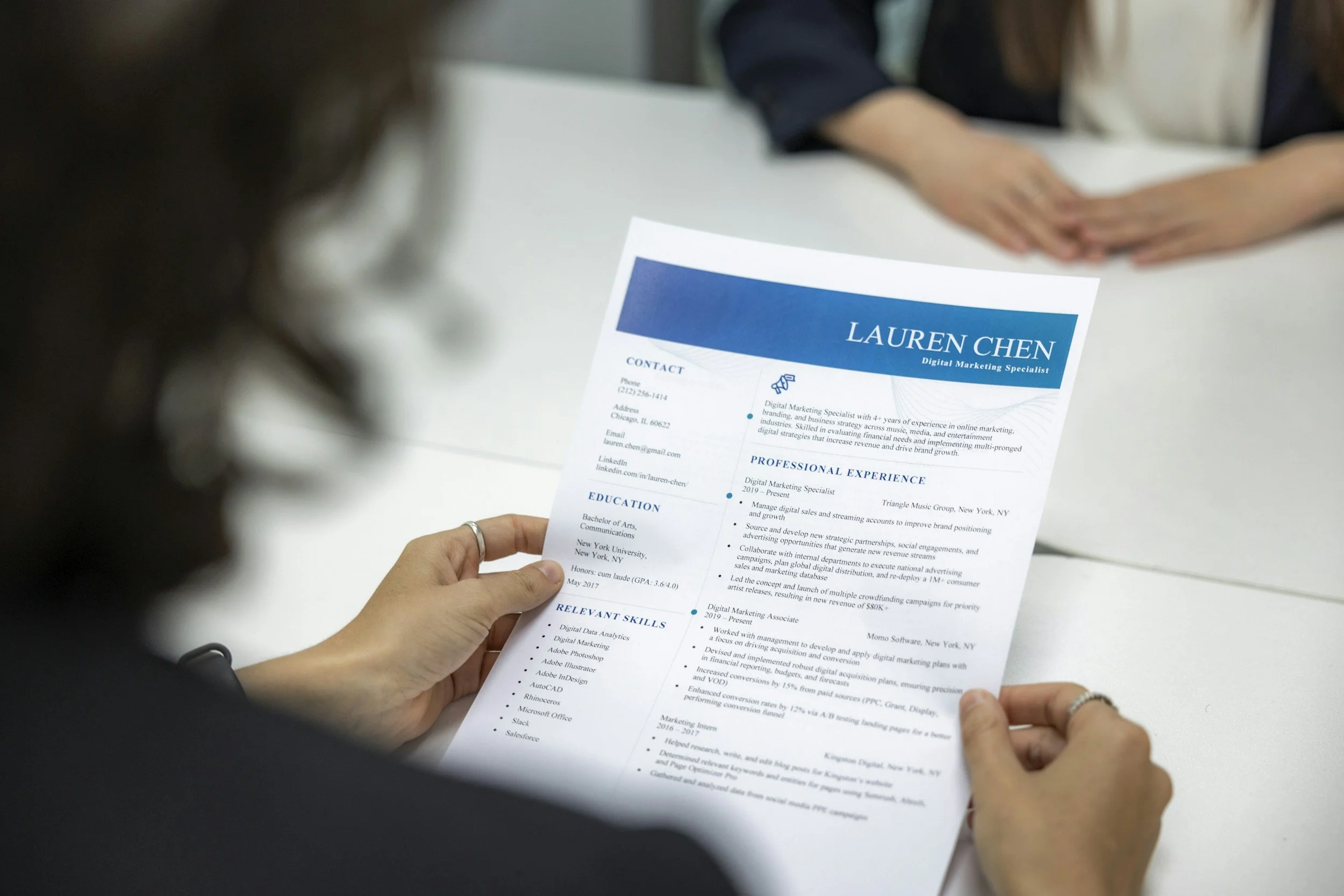
Prep materials: tailor your resume/cover letter with keywords naturally. Don’t pepper them indiscriminately. Use them wisely (Jobscan free tier), update your LinkedIn profile. Make sure to avoid common mistakes, such as typos or generic formats.
Apply/track: aim for 3-5 weekly; log in a spreadsheet (company, date, status, follow-up).
Pivot: review every 2 weeks. What's working? Tweak pitch or add skills (e.g., AI course if no bites).
Follow up: send a polite email 5-7 days post-apply: "Excited about [role], any updates?"
Example
Newbie: If retail stalls, pivot to e-commerce; add "customer focus" to resume.
Tip - 1 hour setup, ongoing 15-min weekly checks. Here's a sample tracker table:
Company Role Apply Date Status Follow-Up Notes
GreenTech Analyst 12/15/25 Applied 12/22/25 Highlighted SEO skills
HealthPro Manager 12/18/25 Interview N/A Prep AI questions
Here is an additional table for common resume mistakes to avoid, based on expert advice:
Mistake, Impact Fix
Typos/Grammar Instant rejection Proofread with tools
Generic Resumes Fails ATS Customize keywords
Duty-Focused Lacks impact Use achievements
Too Long Overwhelms Limit to 1-2 pages
No Keywords Filtered out Mirror job postings
This framework isn't rigid—tweak it to your stripes. Newbies, emphasize enthusiasm. By weekend's end, you'll have a personalized plan saving time and stress, countering a brutal market where strategies like direct messaging leaders or AI-assisted searches prove effective.
Ready to dance like a zebra? My full guide at www.dancingzebras.com is available for deeper dives, or book a coaching session for custom tweaks. Workshops on values, skills, resumes, and LinkedIn optimization are coming soon. Let's turn your job search into a confident strut—find out more now!
Zebra Hugs,
Jessica - Founder, Dancing Zebras Career Guidance